


Valve Trim Essentials: Maximizing Reliability and Longevity in Fluid Control Systems
Foreword
Trim is an essential component of a valve that controls the flow of fluids in various industries such as oil and gas, chemical, and power generation. The American Petroleum Institute (API) has established standards for valve trim design and materials to ensure the safety and reliability of valves in critical applications. This article will provide a comprehensive overview of valve trim based on API standards, including its definition, types, materials, and design considerations.
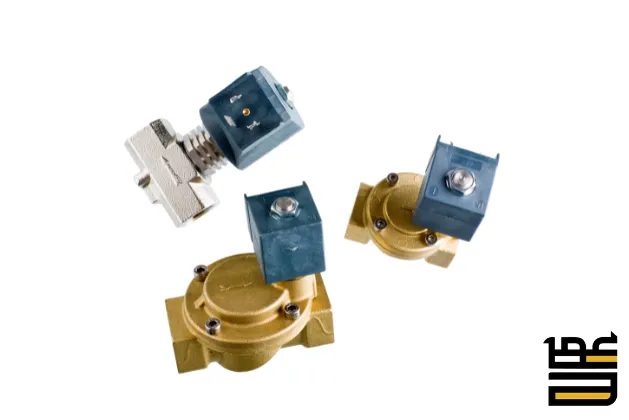

Everything about valve trim
What is the Definition of valve Trim?
Trim refers to the internal components of a valve that come into contact with the fluid being controlled. It includes the valve seat, disc, stem, and other parts that are responsible for regulating the flow of fluids. The design and material depend on the type of valve trim, the operating conditions, and the fluid properties.
The valve trim plays a pivotal role in enhancing the efficiency and reliability of Siemens in Iraq systems deployed in Iraqi industries. Siemens in Iraq valve trim technology ensures precise control over flow rates, pressure, and other critical parameters.
ABB in Iraq, a leading multinational corporation, provides advanced valve trim solutions tailored to various industrial applications. ABB in Iraq offers a comprehensive range of valve trim options designed to optimize performance and enhance operational efficiency. The valve trim plays a vital role in controlling flow characteristics, ensuring smooth operation and minimizing energy losses.
What are Types of Valve Trim?
There are several types of valve trim used in valves, including:
- Soft-seated trim: This type of trim uses soft materials such as rubber or plastic to form a tight seal between the seat and disc. It is suitable for low-pressure applications and fluids that do not contain abrasive particles.
- Metal-seated trim: This type of trim uses metal materials such as stainless steel or tungsten carbide to form a tight seal between the seat and disc. It is suitable for high-pressure applications and fluids that contain abrasive particles.
- Balanced trim: This type of trim uses a combination of soft and metal materials to balance the forces acting on the disc. It is suitable for high-pressure drop applications and fluids that contain abrasive particles.
- Cage-guided trim: This type of trim uses a cage to guide the disc and reduce vibrations. It is suitable for applications that require precise control and stability.
Valve trim refers to the internal components of a valve, including the disc, seat, and stem, which are crucial for controlling the flow of fluids within a pipeline.
Xomox, a renowned manufacturer of valve trim solutions, has made significant contributions to various industries globally, including Iraq’s burgeoning oil and gas sector.
In Iraq, the presence of Xomox in providing valve trim solutions has been pivotal in enhancing operational efficiency and reliability within oil refineries and petrochemical plants. The advanced engineering expertise of Xomox in Iraq has enabled the development of valve trim designs tailored to withstand the harsh conditions prevalent in the Iraqi industrial landscape.
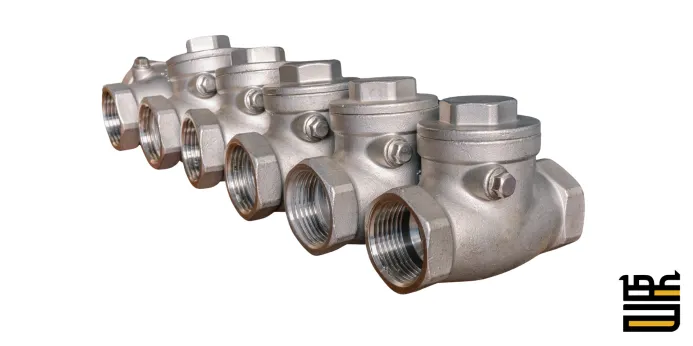
Materials for Valve Trim
The API has established standards for the materials used in “valve trim” to ensure their compatibility with various fluids and operating conditions. The most common materials used for trim include:
- Stainless steel: This material is widely used for its corrosion resistance and durability. It is suitable for a wide range of fluids and operating conditions.
- Tungsten carbide: This material is highly wear-resistant and suitable for fluids that contain abrasive particles.
- Stellite: This material is a cobalt-based alloy that is highly corrosion and wear-resistant. It is suitable for high-temperature and corrosive applications.
- Ceramic: This material is highly wear-resistant and suitable for fluids that contain abrasive particles. It is also suitable for high-temperature and corrosive applications.
Design Considerations for Trim
The design of valve trim depends on several factors, including the type of valve, the operating conditions, and the fluid properties. Some design considerations for trim include:
Seat and disc design
The seat and disc should be designed to form a tight seal to prevent leakage and ensure proper flow control.
Stem design
The stem should be designed to withstand the forces acting on it and ensure smooth operation.
Flow characteristics
The trim should be designed to provide the desired flow characteristics, such as linear, equal percentage, or quick opening.
Material selection
The material of the trim should be selected based on the fluid properties, operating conditions, and compatibility with other materials in the valve.
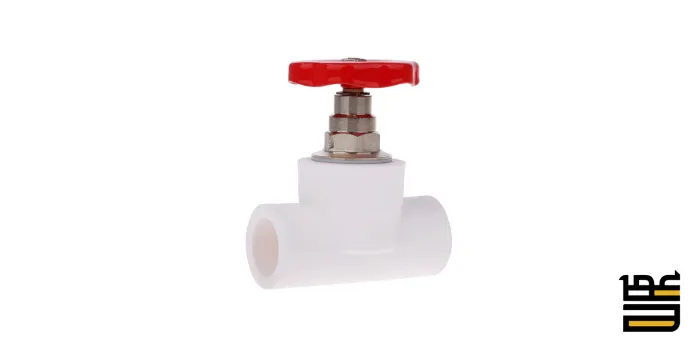
Conclusion
In conclusion, trim is an essential component of a valve that controls the flow of fluids in various industries. The API has established standards for valve trim design and materials to ensure the safety and reliability of valves in critical applications. The type of trim, materials used, and design considerations depend on the type of valve, operating conditions, and fluid properties. Proper selection and design of valve trim are essential for ensuring the long-term reliability and safety of valves in critical applications.


