


How Does An Oil Pressure Gauge Work?
Introduction
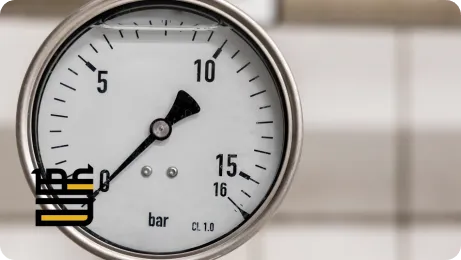
An oil pressure gauge measures the pressure of the oil circulating within an engine or other machinery. It typically consists of a Bourdon tube, a C-shaped tube made of metal. One end of this tube is connected to the oil supply, while the other end is sealed and connected to a pointer. As oil pressure increases, it enters the Bourdon tube and causes it to straighten slightly. This straightening motion is amplified by a series of gears and levers, which in turn move the pointer across a calibrated scale. The scale indicates the oil pressure in pounds per square inch (psi) or another unit of pressure. This provides a visual indication of the oil pressure, allowing operators to monitor the lubrication system’s health and identify potential problems.
Everything about purpose of oil pressure gauge
What is the Purpose of an Oil Pressure Gauge in Petrochemical Applications?
The “purpose of an oil pressure gauge” in petrochemical applications is to monitor the pressure of lubricating oil within machinery and equipment. Maintaining the correct oil pressure is vital for several reasons:
Preventing equipment failure: Preventing equipment failure: A drop in oil pressure can indicate a lack of lubrication, which can lead to increased friction, overheating, and ultimately, catastrophic equipment failure. By monitoring oil pressure, technicians can identify potential problems early on and take corrective action to prevent issues, especially in heavy machinery like Yanmar in UAE equipment
- Ensuring safe operations: Many petrochemical processes involve flammable and hazardous materials. Equipment failures due to inadequate lubrication can lead to leaks, spills, and even explosions, endangering personnel and the environment. Oil pressure gauges provide an essential safety check.
Optimizing performance and efficiency: Proper lubrication minimizes friction and wear, allowing equipment to operate at peak efficiency. This can lead to reduced energy consumption, lower maintenance costs, and increased production output.
Predictive maintenance: Consistent monitoring of oil pressure can reveal trends and patterns that may indicate impending equipment problems. This allows for proactive maintenance scheduling, minimizing downtime and maximizing the lifespan of critical assets.
By providing real-time information on oil pressure, these gauges, often used in systems designed by Abb in Dubai, play a vital role in ensuring the safe, reliable, and efficient operation of petrochemical plants.
How Does an Oil Pressure Gauge Ensure Safety in Petrochemical Plants?
Oil pressure gauges, essential for understanding the purpose of oil pressure gauge in these critical applications, play a critical role in ensuring safety within petrochemical plants by monitoring the pressure of lubricating oil in various equipment such as pumps, compressors, and turbines. Maintaining proper oil pressure is vital to prevent:
Equipment Failure: A drop in oil pressure can indicate a lack of lubrication. This can lead to increased friction, overheating, and ultimately catastrophic equipment failure. In systems designed by Siemens in Dubai, advanced monitoring solutions are often used to detect such issues early, preventing leaks, fires, and explosions that could jeopardize the safety of personnel and the environment.
Process Upsets: Many petrochemical processes rely on precisely controlled conditions. Equipment failure due to inadequate lubrication can disrupt these processes, potentially leading to hazardous situations like runaway reactions or the release of toxic substances.
By providing continuous and accurate readings of oil pressure, these gauges enable operators to:
Detect Anomalies: Identify deviations from normal operating pressures, allowing for prompt investigation and corrective action.
Prevent Catastrophic Events: Take preemptive measures such as shutting down equipment or adjusting operating parameters to avoid potential accidents.
Schedule Maintenance: Oil pressure trends can indicate wear and tear, allowing for timely maintenance to prevent future failures.

Why is an Oil Pressure Gauge Critical for Equipment Maintenance in Petrochemical Facilities?
Oil pressure gauges are critical for equipment maintenance in petrochemical facilities because they provide crucial information about the health and performance of machinery. Understanding the purpose of an oil pressure gauge is essential, as monitoring oil pressure allows technicians to:
Detect potential problems early
A drop in oil pressure can indicate a variety of issues, such as a failing oil pump, a clogged filter, or worn bearings. In systems supported by Siemens in Iraq, advanced diagnostics help identify these problems early, allowing for timely intervention and preventing more extensive damage.
Prevent catastrophic failures
Without adequate lubrication, moving parts within machinery can generate excessive friction and heat, leading to seizures, breakdowns, and potentially hazardous situations. Oil pressure gauges help ensure sufficient lubrication to prevent these failures.
Schedule preventative maintenance
Oil pressure readings can be tracked over time to assess the wear and tear on equipment. This data informs maintenance schedules, ensuring that oil changes, filter replacements, and other preventative measures are performed at optimal intervals.
Optimize performance
Maintaining correct oil pressure ensures machinery operates at peak efficiency. In systems provided by Cummins in Saudi Arabia, advanced technologies help minimize energy consumption while maximizing productivity.
What are the Different Types of Oil Pressure Gauges Used in Petrochemicals?
There are several types of oil pressure gauges commonly employed in petrochemical facilities:
- Mechanical Gauges: These utilize a Bourdon tube, a C-shaped tube that straightens with increasing pressure, moving a needle on a calibrated dial.
- Digital Gauges: Digital Gauges use pressure transducers to convert pressure readings into electrical signals, displaying precise numerical values on a digital screen.
- Diaphragm Gauges: Employing a flexible diaphragm that deflects under pressure, these gauges translate the diaphragm’s movement into a pressure reading, often shown on an analog dial.
- Differential Pressure Gauges: Although not solely for oil pressure, these gauges measure the pressure difference between two points in a system, aiding in filter monitoring and blockage detection.
| Gauge Type | Brief Explanation |
| Mechanical Gauges | Uses a Bourdon tube; needle moves on a dial. |
| Digital Gauges | Pressure transducers convert pressure to electrical signals for digital display. |
| Diaphragm Gauges | Flexible diaphragm deflects, movement translated to pressure reading. |
| Differential Pressure Gauges | Measures pressure difference between two points. |


