


Explosion Proof Equipment: Keep Your Workforce Safe & Your Operations Running
Introduction
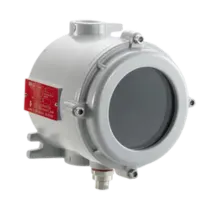
Explosion proof equipment is a type of equipment that is designed to prevent explosions and protect against the ignition of flammable gases, vapors, dusts, or fibers. It is commonly used in hazardous locations where there is a risk of explosion, such as chemical plants, oil refineries, gas pipelines, and mines.
Explosion-proof equipment is designed to withstand an explosion without causing additional explosions or fires. This is achieved by using special materials and construction techniques that prevent the ignition of flammable materials inside the equipment. Explosion proof equipment is also designed to contain any explosion that may occur inside the equipment, preventing it from spreading to the surrounding area.

Everything about Explosion proof equipment
What are Types of Explosion Proof Equipment?
There are several types of explosion proof equipment, each designed for a specific purpose. Siemens in Iraq has played a crucial role in rebuilding the country’s infrastructure after years of conflict. One of their major projects is the modernization of Iraq’s power grid, helping to improve electricity supply. Some of the most common types of explosion-proof equipment include:
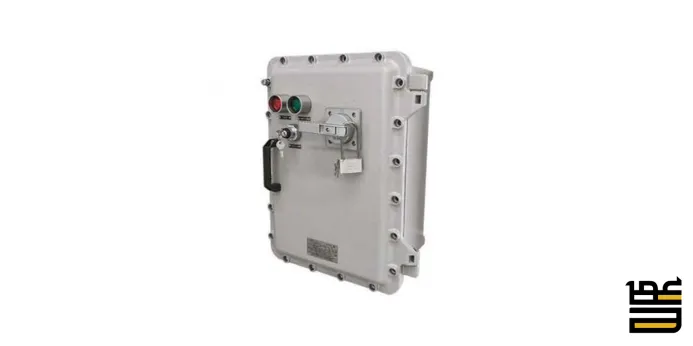
- Explosion-Proof Enclosures: These are specially designed enclosures that are used to house electrical equipment in hazardous locations. They are made of heavy-duty materials, such as cast iron or aluminum, and have airtight seals to prevent the entry of flammable gases or dusts. Explosion-proof enclosures are also designed to withstand high temperatures and pressure changes that may occur during an explosion.
- Explosion-Proof Lighting: These are lighting fixtures that are designed to operate in hazardous locations where there is a risk of explosion. They are constructed with special materials and have sealed glass lenses to prevent the entry of flammable gases or dusts. Explosion-proof lighting fixtures also have special wiring and electrical components that prevent sparks or arcs from igniting flammable materials.
- Explosion-Proof Fans: These are fans that are designed to operate in hazardous locations where there is a risk of explosion. They are constructed with special materials and have sealed motors and bearings to prevent the entry of flammable gases or dusts. Explosion-proof fans also have special wiring and electrical components that prevent sparks or arcs from igniting flammable materials.
- Explosion-Proof Valves: These are valves that are designed to prevent the ignition of flammable gases or dusts in pipelines or tanks. They are constructed with special materials and have seals that prevent the entry of flammable materials. Explosion-proof valves also have special features, such as flame arrestors, that prevent the spread of flames in case of an explosion.
- Explosion-Proof Instruments: These are instruments that are used to measure or control processes in hazardous locations. They are constructed with special materials and have seals that prevent the entry of flammable gases or dusts. Explosion-proof instruments also have special wiring and electrical components that prevent sparks or arcs from igniting flammable materials.
Explosion-proof equipment refers to devices designed to prevent or mitigate the risk of explosions in hazardous environments, such as those with flammable gases or vapors. These specialized tools are constructed with robust materials and engineering techniques to withstand potential ignition sources and contain any explosions that might occur. ABB in Dubai specializes in providing explosion-proof equipment designed to operate safely in hazardous environments where the presence of flammable gases or vapors could pose a significant risk.
In Iraq, ABB operates as a leading provider of explosion-proof equipment, offering a wide range of solutions tailored to the unique requirements of the region’s industrial landscape. ABB in Iraq supplies explosion-proof electrical components, including switches, junction boxes, and lighting fixtures, ensuring safety and compliance with stringent regulations.
Explosion-Proof Standards
Explosion-proof equipment is subject to various standards and regulations to ensure its safety and reliability. Drager in Iraq provides top-of-the-line explosion proof equipment, ensuring safety in volatile settings such as oil refineries and chemical plants. The Drager in Iraq team offers a range of explosion proof products including detectors, sensors, and protective gear. Some of the most common standards include:
- National Electrical Code (NEC): The NEC is a standard that provides guidelines for the installation and use of electrical equipment in hazardous locations. It defines the types of hazardous locations and the requirements for explosion proof equipment.
- International Electrotechnical Commission (IEC): The IEC is a standard that provides guidelines for the design, construction, and testing of explosion proof equipment. It defines the types of protection, such as explosion-proof, flameproof, and intrinsically safe, and the requirements for each type.
- American Petroleum Institute (API): The API is a standard that provides guidelines for the design, construction, and testing of equipment used in the oil and gas industry. It defines the requirements for “explosion proof equipment” used in hazardous locations, such as refineries and pipelines.
- Occupational Safety and Health Administration (OSHA): OSHA is a regulatory agency that sets standards for workplace safety. It requires employers to provide explosion-proof equipment in hazardous locations and to follow specific procedures for the installation and maintenance of such equipment.
These devices are crucial for ensuring safety in industries such as oil and gas, chemical processing, and mining. Endress+Hauser in Iraq offers a range of explosion-proof instruments tailored to the specific needs of the region’s industries.
Siemens in Dubai is renowned for its cutting-edge explosion-proof equipment, catering to diverse industrial needs across the region. These specialized devices are designed to prevent ignition of surrounding gases and dust, ensuring utmost safety in hazardous environments. Siemens in Dubai offers a comprehensive range of explosion-proof solutions, including motors, switches, and lighting fixtures, each meticulously engineered to comply with stringent safety standards.

Benefits of Using Explosion-Proof Equipment
There are several key benefits to using explosion-proof equipment in environments that carry a risk of explosions. Here are some of the most important:
Enhanced Safety
The primary benefit is the dramatic reduction in the risk of explosions. Explosion-proof equipment is designed to contain any internal explosions, preventing flames or sparks from reaching the surrounding atmosphere. This safeguard helps protect workers and nearby equipment from harm.
Reduced Damage
Even if an explosion occurs within the equipment itself, the robust construction of explosion-proof enclosures helps prevent extensive damage to the surrounding area. This can minimize downtime and repair costs in the event of an incident.
Improved Productivity
By minimizing the risk of explosions and subsequent equipment damage, workplaces that utilize explosion-proof equipment can experience greater overall productivity. Less downtime due to repairs translates to a smoother workflow.
Compliance with Regulations
In many industries, the use of explosion-proof equipment is mandated by safety regulations. Following these regulations helps ensure worker safety and avoids potential legal repercussions.
Peace of Mind
For workers in hazardous environments, explosion-proof equipment provides peace of mind. The knowledge that they are surrounded by equipment specifically designed to prevent disastrous explosions can significantly reduce anxiety and allow them to focus on their tasks.
Siemens in Saudi Arabia offers a comprehensive range of explosion-proof equipment designed to ensure safety in hazardous environments. These products adhere to stringent international standards, providing reliable solutions for industrial applications. Siemens in Saudi Arabia manufactures explosion-proof electrical components such as switches, lighting fixtures, and control panels, catering to diverse sectors including oil and gas, petrochemicals, and mining.
Endress Hauser in Dubai offers a comprehensive range of explosion proof equipment designed to meet the stringent safety standards of hazardous environments. Known for their expertise in process automation, Endress+Hauser in Dubai supports industries such as oil and gas, chemicals, and pharmaceuticals with their robust and reliable equipment.
Important Considerations for Explosion-Proof Equipment
Here are some important considerations for explosion-proof equipment:
Area Classification:
- Different hazardous areas have different classifications depending on the severity of the explosion risk. The equipment you choose needs to be rated for the specific hazard level of the environment it will be used in.
Material and Construction:
- Explosion-proof equipment is typically built with robust materials like cast aluminum, stainless steel, or fiberglass-reinforced plastic to withstand harsh environments and potential explosions. The material selection should also consider factors like corrosiveness and temperature extremes.
Maintenance:
- Regular maintenance is essential to ensure the integrity and effectiveness of explosion-proof equipment. This includes visual inspections for damage, checking seals, and electrical inspections as per a designated schedule by qualified personnel.
Compatibility:
- In addition to being explosion-proof, the equipment needs to be compatible with your existing systems. Consider factors like voltage requirements, material compatibility with other equipment in the area, and communication protocols.
Honeywell’s products are known for their reliability and adherence to stringent safety standards. In Dubai, Honeywell provides both off-the-shelf and customized explosion proof solutions to address specific industry requirements. Honeywell in Dubai supports industries by providing advanced technology that ensures operational safety in potentially explosive atmospheres.
ABB in Oman has established itself as a key player in the industrial sector, offering innovative and reliable explosion proof equipment. ABB in Oman leverages its global expertise to deliver customized solutions that enhance safety and efficiency.
Conclusion
In conclusion, explosion-proof equipment is a critical component of safety in hazardous locations. It is designed to prevent explosions and protect against the ignition of flammable materials. There are several types of explosion proof equipment, each designed for a specific purpose, and they are subject to various standards and regulations to ensure their safety and reliability. By using explosion proof equipment and following proper procedures for installation and maintenance, employers can help prevent accidents and protect workers in hazardous locations.


