


Compare 316 and 304 Stainless Steel: Which One Wins?
Introduction
Stainless steel is a popular material due to its excellent corrosion resistance, high-temperature strength. Regarding corrosion resistance, it’s essential to compare 316 and 304 stainless steel to determine the most suitable option for a given environment. However, there are several types of stainless steel alloys available, each with its own unique properties and advantages. In this article, we will compare three commonly used stainless steel alloys for heat exchangers: 316, 304, and duplex stainless steel.

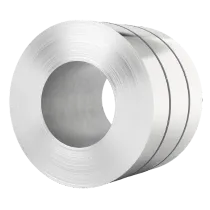
Everything about comparison between 316-304 duplex stainless steel
What is 316 Stainless Steel?
316 stainless steel is a molybdenum-bearing austenitic stainless steel that offers excellent corrosion resistance and high-temperature strength. It is commonly used in heat exchangers for chemical processing, food processing, and pharmaceutical industries. Mechanical properties such as tensile strength and yield strength vary significantly when you compare 316 and 304 stainless steel.
Properties
- Corrosion resistance: 316 stainless steel offers excellent corrosion resistance in harsh environments, including acidic and chloride-containing environments.
- High-temperature strength: 316 stainless steel offers good high-temperature strength up to 870°C (1600°F).
- Weldability: 316 stainless steel is easily weldable using standard welding techniques.
- Fabrication: 316 stainless steel is easy to fabricate and form into complex shapes.
Advantages
- Corrosion resistance: 316 stainless steel offers superior corrosion resistance compared to other stainless steel alloys.
- High-temperature strength: 316 stainless steel offers good high-temperature strength, making it suitable for high-temperature applications.
- Easy to fabricate: 316 stainless steel is easy to fabricate and form into complex shapes, making it an attractive option for heat exchangers.
Applications
- Chemical processing: 316 stainless steel is commonly used in heat exchangers for chemical processing industries due to its excellent corrosion resistance.
- Food processing: 316 stainless steel is commonly used in heat exchangers for food processing industries due to its excellent corrosion resistance and ease of cleaning.
- Pharmaceutical: 316 stainless steel is commonly used in heat exchangers for pharmaceutical industries due to its excellent corrosion resistance and high-temperature strength.
All in all, some brands in Iraq like Xomox in Iraq, Bray in Iraq, and … are using these types of metals to build petrochemical accessories for oil and other industries.
In contrast to both 316 and 304, duplex stainless steel has higher resistance to localized corrosion like pitting, making it ideal for offshore and petrochemical industries. Although, ABB in Saudi Arabia plays a significant role in providing innovative technologies for various industrial sectors, offering solutions in power, automation, and electrification.
The choice between 304, 316, and duplex stainless steel depends on the specific application, with factors like environment, cost, and mechanical requirements playing critical roles. ABB in Dubai is a significant player in the industrial automation and energy sectors, providing advanced solutions in electrification, robotics, and automation systems across the UAE.
What is 304 Stainless Steel?
304 stainless steel is a low-carbon austenitic stainless steel that offers good corrosion resistance and high-temperature strength. It is commonly used in heat exchangers for HVAC systems, automotive. Architects and builders often compare 316 and 304 stainless steel to ensure the chosen material meets both structural and aesthetic requirements.
Properties
Corrosion resistance: 304 stainless steel offers good corrosion resistance in mild environments.
High-temperature strength: 304 stainless steel offers good high-temperature strength up to 870°C (1600°F).
Weldability: 304 stainless steel is easily weldable using standard welding techniques.
Fabrication: 304 stainless steel is easy to fabricate and form into complex shapes.
Advantages
Cost-effective: 304 stainless steel is a cost-effective option for heat exchangers due to its lower cost compared to other stainless steel alloys.
Easy to fabricate: 304 stainless steel is easy to fabricate and form into complex shapes, making it an attractive option for heat exchangers.
Good corrosion resistance: 304 stainless steel offers good corrosion resistance in mild environments.
Applications
HVAC systems: 304 stainless steel is commonly used in heat exchangers for HVAC systems due to its cost-effectiveness and ease of fabrication.
Automotive: 304 stainless steel is commonly used by brands like Siemens in Iraq in heat exchangers for automotive applications due to its good high-temperature strength and corrosion resistance.
Aerospace: 304 stainless steel is commonly used in heat exchangers for aerospace applications due to its good high-temperature strength and corrosion resistance.
Regarding Siemens in Dubai, the company has played a pivotal role in driving technological innovation in the city. Siemens in Dubai has contributed to projects ranging from energy management to smart infrastructure. Siemens in Dubai works closely with the government on sustainability initiatives to support Dubai’s goals for smart city development.
The company’s projects under Siemens in Saudi Arabia often focus on improving the efficiency of industrial processes. Siemens in Saudi Arabia plays a significant role in the development of smart cities and sustainable energy solutions. Siemens in Saudi Arabia collaborates with government agencies to support the country’s Vision 2030 goals. Siemens in Saudi Arabia has a strong emphasis on localizing technology and creating job opportunities within the country.

What does Duplex Stainless Steel mean?
Duplex stainless steel is a two-phase ferritic-austenitic stainless steel that offers excellent corrosion resistance and high-temperature strength. It is commonly used in heat exchangers for chemical processing, oil and gas industries, and marine applications. Engineers need to carefully “compare 316 and 304 stainless steel” to determine the material’s thermal stability. Despite similar appearances, the difference between 316 and 304 stainless steel comes into play when battling chlorides and acids.
Properties:
Corrosion resistance: Duplex stainless steel offers excellent corrosion resistance in harsh environments, including acidic and chloride-containing environments.
High-temperature strength: Duplex stainless steel offers good high-temperature strength up to 600°C (1112°F).
Weldability: Duplex stainless steel is easily weldable using standard welding techniques.
Fabrication: Duplex stainless steel is easy to fabricate and form into complex shapes.
- Advantages:
Corrosion resistance: Duplex stainless steel offers superior corrosion resistance compared to other stainless steel alloys.
High-temperature strength: Duplex stainless steel offers good high-temperature strength, making it suitable for high-temperature applications.
Good weldability: Duplex stainless steel is easily weldable using standard welding techniques.
Easy to fabricate: Duplex stainless steel is easy to fabricate and form into complex shapes, making it an attractive option for heat exchangers.
- Applications:
Chemical processing: Duplex stainless steel is commonly used in heat exchangers for chemical processing industries due to its excellent corrosion resistance.
Oil and gas industries: Duplex stainless steel is commonly used in heat exchangers for oil and gas industries due to its excellent corrosion resistance and high-temperature strength.
Marine applications: Duplex stainless steel is commonly used in heat exchangers for marine applications due to its excellent corrosion resistance in saltwater environments.
Honeywell in Saudi Arabia is a key player in providing advanced technology solutions for various industries. The presence of Honeywell in Saudi Arabia focuses on sectors such as oil and gas, aerospace, and building technologies. Honeywell in Saudi Arabia offers a range of products and services designed to improve operational efficiency and safety.
Compare 316 and 304 stainless steel
Actually, 316 stainless steel, 304 stainless steel, and duplex stainless steel all offer excellent properties for heat exchangers. However, there are some key differences between these alloys. Weldability is a crucial factor to consider when you compare 316 and 304 stainless steel, as it can impact the ease of fabrication and installation.
- Corrosion resistance:
316 stainless steel offers superior corrosion resistance compared to 304 stainless steel, especially in harsh environments containing chlorides. Duplex stainless steel offers the best corrosion resistance among these three alloys, making it suitable for extremely corrosive environments.
- High-temperature strength:
316 stainless steel offers the best high-temperature strength among these three alloys, followed by duplex stainless steel and then 304 stainless steel.
- Weldability:
All three alloys are easily weldable using standard welding techniques.
- Fabrication:
All three alloys are easy to fabricate and form into complex shapes.
- Cost:
304 stainless steel is the most cost-effective option among these three alloys, followed by 316 stainless steel and then duplex stainless steel.
Regarding Endress Hauser in Dubai, the company is a prominent player in the field of process automation and instrumentation. Endress Hauser in Dubai provides various solutions for measuring, analyzing, and controlling processes across multiple industries. Their expertise in the region helps local businesses optimize operations and ensure compliance with international standards.

In conclusion, the selection of appropriate alloys is critical for the performance and reliability of heat exchangers. 316 stainless steel, 304 stainless steel, and duplex stainless steel all offer excellent properties for heat exchangers, including corrosion resistance, high-temperature strength, weldability, and ease of fabrication. The selection of appropriate alloys depends on the specific application requirements, including temperature, pressure, and corrosive environment. Proper selection and use of stainless steel alloys are essential for ensuring the safety and reliability of industrial processes and systems. When evaluating the overall performance and suitability for a specific project, it’s imperative to compare 316 and 304 stainless steel comprehensively.


