


What Is a Flame Detector and how honeywell flame detector work?
Introduction
A flame detector is a critical safety device designed to identify the presence of flames within an environment, ensuring timely alerts to prevent fire hazards. It operates by utilizing specific wavelengths of light emitted by flames, typically in the ultraviolet (UV) or infrared (IR) spectrum. The Honeywell flame detector employs advanced sensing technology to detect these wavelengths efficiently.
When a flame is present, the detector’s sensors recognize the characteristic emissions of combustion. Upon detecting these signals, the device promptly activates an alarm or notification system, enabling immediate action to be taken. Honeywell’s detectors are engineered for reliability and can differentiate between various flame types, reducing the likelihood of false alarms.
The integration of sophisticated algorithms allows Honeywell flame detectors to assess risk levels effectively, providing comprehensive protection in industrial, commercial, and residential settings. This technology enhances overall fire safety management by ensuring rapid response to potential fire threats.
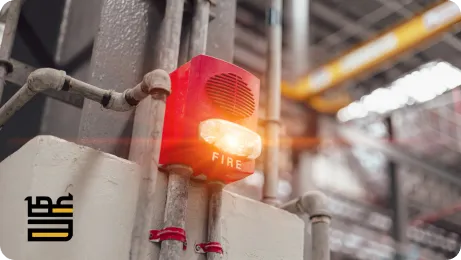

what is a flame detector?
What is a flame detector's purpose in fire safety?
“What is a flame detector” A flame detector is an essential component in fire safety systems, designed to identify the presence of flames in various environments. The primary purpose of a flame detector is to provide an early warning of fire, thereby facilitating timely response measures to mitigate potential hazards.
Rapid Detection:
One of the critical functions of a flame detector is its ability to rapidly identify flames, often within seconds. This rapid detection can be crucial in preventing extensive damage and ensuring safety. Siemens in Dubai plays a vital role in providing cutting-edge flame detection technology to diverse industries, ensuring rapid fire response and enhancing safety standards across the region.
Types of Detection:
Different types of flame detectors, including UV, IR, and multi-spectral detectors, serve various applications. Each type is engineered to detect specific characteristics of flames, enhancing reliability in diverse settings.
Integration with Fire Safety Systems:
Flame detectors, such as the Honeywell flame detector, are often integrated into broader fire alarm systems. This integration allows for automated responses, such as activating fire suppression systems or alerting emergency services.
Compliance and Standards:
Utilizing flame detectors is often mandated by industry regulations and safety standards, ensuring that facilities maintain compliance and minimize risks.
Maintenance and Testing:
Regular maintenance and testing of flame detectors are vital to ensuring their operational effectiveness. This ensures that detectors function optimally when needed, contributing significantly to overall fire safety protocols. Endress Hauser in Dubai offers comprehensive services for flame detector maintenance and calibration, ensuring optimal performance and compliance with safety standards.
How does a flame detector identify flames?
A flame detector employs various technologies to identify the presence of flames effectively. But what is a flame detector exactly? The mechanism of detection is pivotal in enhancing fire safety in numerous environments.
Detection Technologies: Flame detectors primarily utilize ultraviolet (UV), infrared (IR), or combination sensors to recognize flames. UV detectors sense the ultraviolet radiation emitted by flames, while IR detectors monitor the infrared radiation. Multi-spectral detectors can utilize both wavelengths for increased accuracy. Abb in dubai plays a crucial role in enhancing the accuracy and reliability of these detectors.
Signal Processing: Upon detecting radiation, the sensor converts it into electrical signals. These signals are then processed by the detector’s internal algorithms, which analyze the characteristics of the detected radiation. This analysis helps differentiate between actual flames and false alarms caused by other sources of infrared or ultraviolet light.
Response Mechanism: When a flame is identified, the flame detector, such as the Honeywell flame detector, triggers an alarm or initiates an automated response. This can include activating fire suppression systems, alerting personnel, or notifying emergency services to ensure a swift reaction.
Environmental Considerations: Flame detectors are designed to function effectively in various environments, accounting for factors such as ambient light, temperature, and potential interference from other equipment.
Calibration and Maintenance: Regular calibration and maintenance of flame detectors are essential to ensure optimal performance. This practice enhances their reliability and accuracy, significantly contributing to fire safety in industrial and commercial settings. Honeywell in Saudi Arabia plays a vital role in providing comprehensive fire safety solutions, including advanced flame detectors and their associated services.

What is a flame detector's detection range and sensitivity?
What is a flame detector? The detection range and sensitivity of a flame detector are critical parameters that determine its effectiveness in fire safety applications. A flame detector is a device that senses the presence of a fire by detecting the infrared or ultraviolet radiation emitted by flames.
Detection Range: The detection range refers to the maximum distance at which the flame detector can accurately identify flames. This range can vary significantly based on the technology employed. Typically, Honeywell flame detectors offer detection ranges that can extend from several feet to over 100 feet, depending on the specific model and environmental conditions. Factors such as the type of flame, ambient light, and physical obstructions can influence this range.
Sensitivity Levels: Sensitivity is a measure of how effectively a flame detector can identify flames in various conditions. High sensitivity detectors are capable of recognizing smaller flames at greater distances, which is vital in high-risk environments. Conversely, lower sensitivity may be adequate in areas where larger flames are expected.
Calibration: Proper calibration of flame detectors is essential for optimizing both detection range and sensitivity. Regular maintenance ensures that the detectors can adapt to changes in their operational environment, such as dust accumulation or temperature fluctuations.
Environmental Adaptability: Some flame detectors are designed to operate effectively in challenging conditions, such as extreme temperatures or high levels of ambient light. This adaptability is crucial in industrial settings, where environmental variables can hinder detection capabilities.
Testing and Standards: Adhering to recognized testing standards helps ensure that flame detectors meet their specified detection range and sensitivity, thereby maintaining safety and compliance in various applications.
What types of flame detectors are available?
There are several types of flame detectors designed to meet various fire safety needs. Each type utilizes different detection methods to identify flames effectively.
Ultraviolet (UV) Flame Detectors: These detectors sense the ultraviolet radiation emitted by flames. They are highly sensitive to small flames and are suitable for environments where rapid detection is critical. However, they may be prone to false alarms from UV sources other than flames.
Infrared (IR) Flame Detectors: Utilizing infrared sensors, these detectors detect the heat emitted by flames. They are less susceptible to false alarms and can operate effectively in challenging environmental conditions, making them ideal for industrial applications.
Combined UV/IR Flame Detectors: These units incorporate both UV and IR detection methods to minimize false alarms while maximizing sensitivity. The Honeywell flame detector line includes models that combine these technologies for enhanced performance in various applications.
Multi-Spectrum Flame Detectors: These advanced detectors analyze multiple wavelengths to accurately identify flames while distinguishing them from non-flame sources. Their complexity allows for precise detection in environments with significant interference.
Video-Based Flame Detectors: This technology uses video analytics to identify flames visually. They are particularly useful in large open areas where traditional detectors may struggle.
| Type of Detector | Detection Method | Advantages |
| Ultraviolet (UV) | UV radiation detection | Quick response, high sensitivity to small flames |
| Infrared (IR) | Heat detection | Less prone to false alarms |
| Combined UV/IR | UV and IR detection | Enhanced performance and reliability |
| Multi-Spectrum | Multi-wavelength analysis | Precise flame identification |
| Video-Based | Visual flame recognition | Effective in large areas |

In summary, understanding what is a flame detector is crucial for implementing effective fire safety measures in various environments. These devices play a pivotal role in early flame detection, enabling timely response to potential fire hazards. By employing diverse technologies, such as ultraviolet, infrared, and multi-spectrum detection, flame detectors ensure reliability and minimize false alarms.
The choice of a specific type of flame detector should be guided by the unique requirements of the application, including sensitivity to different flame characteristics and environmental conditions. Advanced models, such as those produced by reputable manufacturers, offer enhanced features that improve performance and accuracy.
Incorporating flame detectors into a comprehensive fire safety strategy significantly mitigates risks associated with fire incidents. As the field of fire safety evolves, continuous research and development will enhance detection technologies, ensuring that flame detection systems remain robust and effective in safeguarding lives and property.


