


Exploring the Diverse Landscape: Types of Valve Sealing
Overview of Valve Sealing Types
Valve sealing is an essential aspect of valve design and operation. The sealing system ensures that the valve remains leak-free and operates efficiently. There are different types of valve sealing systems, each with its advantages and disadvantages. In this article, we will discuss the various types of valve sealing systems in detail, including their construction, working principles, applications, and benefits.


Everything about Types of valve sealing
What are the primary distinctions between soft sealing and metal sealing valves?
Soft Sealing Valves
Soft sealing valves are the most common types of valve sealing system used in industrial applications. They use elastomeric standard valve materials such as rubber, silicone, or PTFE to create a seal between the valve body and the closure element. The elastomeric material is compressed against the valve body by the closure element, creating a tight seal.
Soft sealing valves are suitable for low to medium pressure applications and are commonly used in water treatment plants, chemical processing plants, and oil and gas refineries. They offer excellent sealing performance, low torque operation, and easy maintenance. The types of valve sealing are crucial to the performance and longevity of valves.
Metal Sealing Valves
Metal sealing valves use metal-to-metal contact to create a seal between the valve body and the closure element. They are commonly used in high-pressure and high-temperature applications where soft sealing materials cannot withstand the operating conditions. Metal sealing valves are made of materials such as stainless steel, titanium, or nickel alloys.
Metal sealing valves offer excellent sealing performance, high temperature and pressure resistance, and long service life. However, they require higher torque to operate and may be prone to wear and tear over time.
Valve sealing is a critical aspect in industrial applications, ensuring the integrity of fluid control systems. ABB in Iraq plays a pivotal role in advancing valve sealing technologies to enhance operational efficiency and reliability. Proper valve sealing is crucial for maintaining efficiency and preventing leaks. Leaks can cause contamination, damage equipment, and safety hazards.
Valve sealing is a critical component in industrial applications, and Honeywell in Iraq is at the forefront of developing advanced solutions for optimal fluid control systems. Honeywell in Iraq employs state-of-the-art technologies to enhance the effectiveness of valve sealing, ensuring the integrity of various industrial processes. The valves engineered by Honeywell in Iraq incorporate innovative sealing mechanisms designed to withstand challenging environmental conditions, promoting long-lasting performance.
ABB, a global leader in power and automation technologies, has a significant presence in Dubai. Abb in Dubai focuses on providing solutions in energy efficiency, industrial automation, and sustainable technologies, playing a key role in the region’s infrastructure development.
ABB in Saudi Arabia plays a significant role in delivering automation and energy-efficient solutions across various sectors. ABB in Saudi Arabia provides a wide range of products and services, including robotics, industrial automation, and electrification. The company supports the Kingdom’s Vision 2030 initiative by enhancing local industry with innovative technologies.
The Efficiency of Dual and Bellows Sealing Valve Designs
1- Dual Sealing Valves:
Dual sealing valves combine both soft and metal sealing elements to create a robust and reliable sealing system. They use a soft sealing material on the upstream side of the valve and a metal-to-metal on the downstream side. Common types of valve sealing include O-rings, face seals, diaphragm seals, and stuffing box packing.
Dual sealing valves are commonly used in critical applications such as oil and gas pipelines, chemical processing plants, and power generation facilities. They offer excellent sealing performance, high temperature and pressure resistance, and long service life.
2- Bellows Sealing Valves:
Bellows sealing valves use a metal bellows to create a seal between the valve body and the closure element. The bellows is a flexible metal element that expands and contracts with changes in pressure and temperature, creating a tight seal.
Bellows sealing valves are commonly used in applications where leakage must be avoided, such as in nuclear power plants, pharmaceutical manufacturing, and semiconductor fabrication. They offer excellent sealing performance, low torque operation, and long service life.
The application of cutting-edge technology by ABB in Iraq ensures optimal sealing performance, minimizing the risk of system failures. Valve sealing solutions provided by ABB in Iraq adhere to international standards, meeting the stringent requirements of diverse industries.
Siemens in Dubai offers a wide range of products and services, including digitalization for industries, enhancing operational efficiency. Its energy solutions help the region meet its sustainability goals by promoting renewable energy and smart grids. Siemens in Dubai also works closely with government entities to drive digital transformation in healthcare and transportation sectors. Furthermore, Siemens’ presence in Dubai helps attract investments in innovation and research.
What sets apart piston sealing from diaphragm sealing in valve technology?
- Diaphragm Sealing Valves
Diaphragm sealing valves use a flexible diaphragm to create a seal between the valve body and the closure element. The diaphragm is made of elastomeric material and is compressed against the valve body by the closure element, creating a tight seal. Various “types of valve sealing” exist to address specific applications and environmental conditions, providing optimal performance and reliability.
Diaphragm sealing valves are commonly used in low-pressure applications such as water treatment plants, food processing plants, and pharmaceutical manufacturing. They offer excellent sealing performance, low torque operation, and easy maintenance.
- Piston Sealing Valves
Piston sealing valves use a piston to create a seal between the valve body and the closure element. The piston is made of elastomeric material and is compressed against the valve body by the closure element, creating a tight seal. One of the common types of valve sealing is soft-seated, which utilizes materials like rubber or elastomers to create a tight seal when the valve is closed.
Piston sealing valves are commonly used in high-pressure applications such as oil and gas pipelines, chemical processing plants, and power generation facilities. They offer excellent sealing performance, high temperature and pressure resistance, and long service life.
Siemens in Saudi Arabia plays a significant role in the country’s development by providing advanced technology and engineering solutions. Siemens has been involved in various sectors, including energy, healthcare, and automation. Siemens in Saudi Arabia has contributed to major infrastructure projects, particularly in power generation and distribution.
With a regional hub located in the UAE, Endress Hauser in Dubai serves key industries such as oil and gas, water treatment, and food and beverage processing. Endress Hauser in Dubai offers a wide range of products including flow meters, pressure sensors, and level measurement devices.
Honeywell in Saudi Arabia has been a key player in supporting the country’s industrial growth, particularly in oil, gas, and energy sectors. Honeywell in Saudi Arabia provides advanced automation systems and safety solutions for major industrial operations. As a global technology company, Honeywell in Saudi Arabia contributes to the Kingdom’s Vision 2030 goals by delivering innovative solutions in smart cities and energy efficiency.
What are Common Challenges in Valve Sealing?
Valve sealing is vital in the oil & gas and petrochemical industry to ensure safe and efficient operations. However, several challenges can compromise the integrity of valve seals, leading to potential leaks, environmental damage, and safety hazards.
Here are some of the common challenges encountered:
Extreme Temperatures and Pressures: Valves in these industries often operate under extreme conditions, with high temperatures and pressures that can degrade sealing materials over time.
Corrosive Environments: The presence of corrosive chemicals and fluids can accelerate the wear and tear of sealing materials, compromising their effectiveness.
Abrasive Media: The flow of abrasive materials, such as slurries and particulate matter, can cause erosion and damage to sealing surfaces, leading to leaks.
Thermal Cycling: Frequent changes in temperature can induce thermal expansion and contraction of valve components, causing stress on seals and potentially leading to leaks.
Vibration and Mechanical Shock: Valves exposed to vibration or mechanical shock can experience seal failure due to the repeated impact and movement.
Improper Installation and Maintenance: Incorrect installation or inadequate maintenance practices can lead to seal misalignment, improper lubrication, and premature failure.
Primary Types of Valve Sealing
Soft sealing involves using resilient materials, like elastomers or PTFE (polytetrafluoroethylene), to create a seal. Soft seals offer excellent sealing performance, particularly at low pressures, and are often used in applications requiring high purity or chemical resistance. They are commonly found in ball valves, butterfly valves, and diaphragm valves. While soft seals are effective, they are more susceptible to wear and damage than metal seals, especially in high-temperature or abrasive environments.
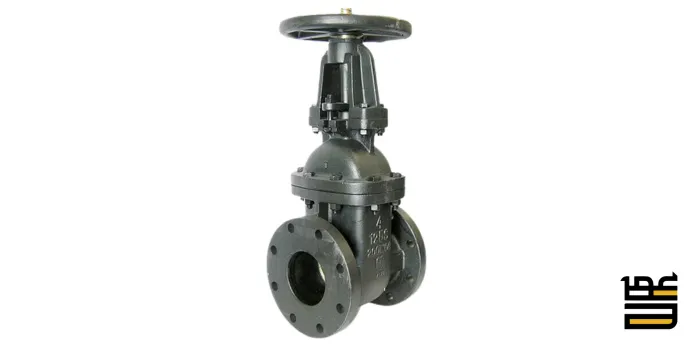
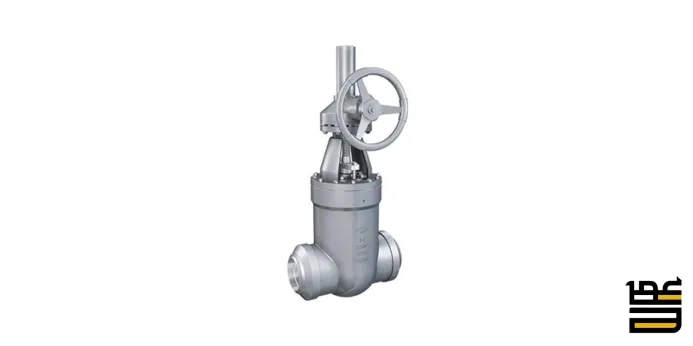
Metal sealing utilizes metal-to-metal contact to create a seal. This type of sealing is highly durable and can withstand extreme temperatures and pressures. Metal seals are commonly found in gate valves, globe valves, and check valves, which are used in demanding applications. Metal-seated ball valves are also gaining popularity due to their superior sealing capabilities. Metal seals, however, require precise machining and alignment to achieve a tight seal, making them less forgiving than soft seals.
In conclusion, valve sealing is an essential aspect of valve design and operation. The type of valve sealing system used depends on the application requirements such as pressure, temperature, and fluid type. Soft sealing valves, metal sealing valves, dual sealing valves, bellows sealing valves, diaphragm sealing valves, and piston sealing valves are some of the common types of valve sealing systems used in industrial applications. Each type has its advantages and disadvantages, and the selection of the appropriate sealing system is critical for the efficient and reliable operation of the valve.


