


Most Common Types of Temperature Sensor
Introduction
Temperature sensing is essential in the petrochemical and oil and gas industries. Accurate temperature measurement is critical for safety, process control, and efficiency. These industries present challenging environments for temperature sensors, including extreme temperatures, high pressures, and corrosive materials. As such, specialized sensors are required to ensure reliable and accurate temperature measurement.


Everything about Types of Temperature Sensor
What are Types of Temperature Sensor?
The petrochemical, oil, and gas industry presents harsh and hazardous conditions, including extreme temperatures, high pressures, and corrosive substances. Temperature sensors play a critical role in these settings by ensuring process efficiency, safety, and product quality. Let’s delve into the common Types of Temperature Sensor:
Resistance Temperature Detectors (RTDs)
- Mechanism: RTDs rely on the principle that electrical resistance of a metal changes predictably with temperature. Platinum-based RTDs (e.g., Pt100) are widely favored due to their accuracy, stability, and wide temperature range.
- Advantages: High accuracy, good stability, excellent repeatability.
- Applications: Temperature measurement in reactors, pipelines, storage tanks, and various process vessels.
Thermocouples
- Mechanism: Thermocouples consist of two dissimilar metal wires joined at one end. When there’s a temperature difference between this junction and the other end, a voltage is generated, which is proportional to the temperature.
- Advantages: Wide temperature range, fast response time, durable construction.
- Applications: Monitoring high-temperature processes like furnace operations, catalytic cracking units, and flare stacks.
Thermometers (e.g., Bimetallic Thermometers)
- Mechanism: Bimetallic thermometers use the principle of differential thermal expansion of two different metals bonded together. The resulting deflection is translated into a temperature reading.
- Advantages: Simple, cost-effective, suitable for visual indication.
- Applications: Local temperature monitoring, often used as a backup or for less critical measurements.
Although, Siemens in Dubai plays a pivotal role in providing advanced technological solutions for various industries in the region, including automation, energy management, and smart infrastructure development. The company’s presence in the UAE has been integral to supporting Dubai’s vision of becoming a global leader in innovation and sustainability.
Honeywell in Saudi Arabia provides advanced temperature sensing technologies for industrial applications, ensuring accurate monitoring and control in sectors like oil and gas, manufacturing, and energy. One of Honeywell in Saudi Arabia’s key offerings is the integration of temperature sensors into automation systems for enhanced operational efficiency and safety. Honeywell in Saudi Arabia plays a significant role in supplying temperature sensors that meet the specific demands of harsh environments, ensuring long-term reliability and accuracy in various industries.
How Does a Temperature Sensor Work?
Types of Temperature Sensor are essential in the petrochemical, oil, and gas industry for ensuring safety, optimizing processes, and maintaining product quality. Here’s how they work:
- Process Monitoring and Control: Temperature plays a critical role in reactions, distillation, and other processes. Sensors provide real-time data, allowing operators to adjust parameters and maintain optimal conditions.
- Safety: Overheating can lead to equipment failure, fires, or explosions. Temperature sensors trigger alarms or shut down systems if temperatures exceed safe limits.
- Equipment Protection: Monitoring the temperature of critical equipment like reactors, compressors, and pipelines helps prevent damage and costly downtime.
- Product Quality: Maintaining specific temperatures is crucial for ensuring the quality and consistency of petrochemical products.
- Energy Efficiency: Optimizing temperatures in processes can help reduce energy consumption and lower operating costs.
ABB in Oman is a key player in the country’s energy and industrial sectors, offering innovative solutions for automation, electrification, and sustainable energy systems. ABB in Oman helps drive industrial productivity and energy efficiency across various industries.

How to Choose the Right Temperature Sensor?
The petrochemical, oil, and gas industry demands careful selection of temperature sensors due to the challenging conditions and critical nature of the processes. These environments often involve extreme temperatures, high pressures, and potentially explosive atmospheres, making sensor choice crucial for safety, efficiency, and regulatory compliance.
One of the first considerations is the temperature range the sensor needs to cover. This includes both the typical operating temperatures and potential extremes during upset conditions. Thermocouples offer the widest range, handling temperatures from -200°C to +1700°C, while RTDs (Resistance Temperature Detectors) are accurate but have a more limited range (-200°C to +850°C). Thermistors are highly sensitive but only suitable for a narrow range (-55°C to +150°C).
Accuracy and precision requirements vary depending on the application. Custody transfer, where precise measurements impact financial transactions, demands high accuracy. Safety systems may prioritize rapid response times over extreme precision. RTDs generally provide the highest accuracy, followed by thermocouples and then thermistors.
The environment plays a significant role in sensor selection. Hazardous areas with flammable gases or vapors require intrinsically safe or explosion-proof sensors certified for specific classifications like ATEX or IECEx. The sensor’s construction must also withstand vibration, mechanical stress, and potentially corrosive process fluids. Stainless steel or Hastelloy housings are often necessary.
Response time is another critical factor. Fast response is essential for safety systems and processes requiring rapid adjustments. Thermocouples typically respond fastest, followed by thermistors and then RTDs. Sensor size and placement also influence response time; smaller sensors placed closer to the measurement point react more quickly.
Although, Honeywell in Dubai plays a key role in providing advanced technology solutions for automation, energy management, and safety across various industries. It offers a wide range of services, including building control systems, smart city technologies, and industrial automation, supporting Dubai’s growing infrastructure.
As for ABB in Dubai, the company plays a pivotal role in the city’s infrastructure projects, providing cutting-edge solutions in automation, electrification, robotics, and digitalization. ABB in Dubai supports industries such as energy, transport, and construction, driving smart city initiatives and enhancing the sustainability goals of the UAE.
Applications of Temperature Sensors
“Types of Temperature sensor” play a crucial role in the petrochemical, oil, and gas industry, ensuring safety, efficiency, and quality control throughout various processes. Here are some key applications:
1. Refining and Processing:
- Fractional distillation: Temperature sensors monitor the temperature gradients within distillation columns, ensuring precise separation of crude oil into different fractions like gasoline, kerosene, and diesel.
- Catalytic cracking: Temperature control is vital in catalytic cracking units to optimize the breakdown of heavy hydrocarbons into lighter, more valuable products. Sensors help prevent catalyst deactivation and ensure efficient operation.
- Alkylation and isomerization: These processes require tight temperature control to promote desired chemical reactions and maximize product yield.
2. Exploration and Production:
- Downhole monitoring: Temperature sensors in drilling tools provide real-time information about subsurface formations, helping identify potential oil and gas reservoirs. They also monitor the temperature of drilling mud to prevent damage to equipment.
- Pipeline monitoring: Sensors along pipelines detect temperature variations that may indicate leaks, blockages, or other anomalies, enabling proactive maintenance and preventing costly shutdowns.
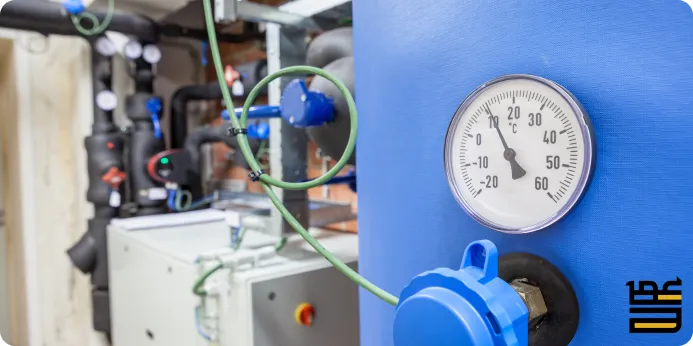
Temperature sensors are essential components in a wide range of applications, from simple household appliances to complex industrial processes. They provide crucial information about the thermal state of a system, enabling control, monitoring, and safety mechanisms. Understanding the different types of temperature sensors and their characteristics is crucial for selecting the right sensor for a specific application. By considering the requirements of the application and the strengths of each sensor type, engineers can ensure accurate and reliable temperature measurement.


