


Supercharge Wear Resistance: The Advantages of Stellite Coatings
Foreword
Stellite coatings are a type of hardfacing material that is used to protect surfaces from wear, corrosion, and high-temperature environments. These coatings are made from a family of cobalt-chromium alloys that are known for their excellent wear resistance, toughness, and corrosion resistance. In this article, we will provide a comprehensive overview of Stellite coating, including their properties, applications, and manufacturing processes.


Everything about Stellite coatings
What are Properties of Stellite Coatings?
Stellite coatings have several unique properties that make them suitable for a wide range of applications. These properties include:
- Wear Resistance
Stellite coating is known for their exceptional wear resistance, making them ideal for applications where surfaces are subjected to high levels of abrasion, erosion, or impact. The hardness of types of Stellite coatings can range from 35 to 65 HRC depending on the specific alloy used and the manufacturing process.
- Corrosion Resistance
Stellite coating is highly resistant to corrosion and oxidation, making them suitable for use in harsh environments where metals are exposed to corrosive chemicals or high temperatures. The corrosion resistance of Stellite coating is due to the presence of chromium and molybdenum in the alloy.
- High Temperature Resistance
Stellite coating can withstand high temperatures without losing their hardness or strength. This makes them suitable for use in applications where surfaces are exposed to high temperatures, such as in the aerospace and power generation industries.
- Toughness
Stellite coatings tough and can withstand impact and shock loading without cracking or breaking. This property makes them ideal for use in applications where surfaces are subjected to high levels of stress or vibration.
These coatings, composed mainly of cobalt and chromium, provide robust protection against wear and erosion in high-temperature environments. Siemens in Iraq has utilized Stellite coatings in critical components of their power generation equipment to enhance durability and performance. By applying Stellite coatings on turbine blades and other engine parts, Siemens in Iraq ensures prolonged operational lifespans and reduced maintenance costs.
What are Applications of Stellite Coatings?
Stellite coatings have a wide range of applications in various industries. Some of the common applications include:
- Aerospace Industry
Stellite coating is used in the aerospace industry to protect engine components from wear, corrosion, and high-temperature environments. These coatings are used on turbine blades, exhaust nozzles, and other critical components.
- Power Generation Industry
Stellite coating is used in the power generation industry to protect boiler tubes, steam turbine blades, and other components from wear, corrosion, and high-temperature environments. These coatings help to extend the service life of these components and improve their performance.
- Oil and Gas Industry
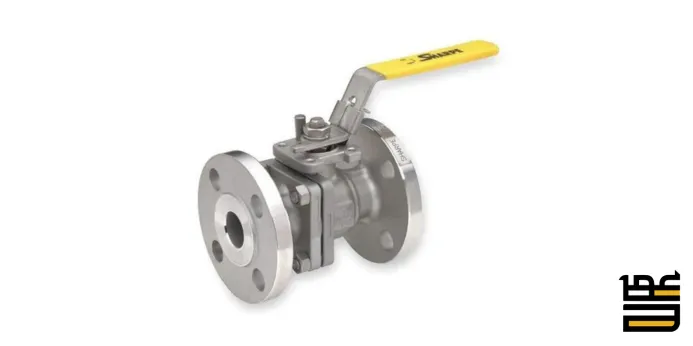
Stellite coating is used in the oil and gas industry to protect drilling tools, valves, pumps, and other components from wear, corrosion, and high-temperature environments. These coatings help to improve the reliability and performance of these components in harsh environments.
- Medical Industry
Stellite coating is used in the medical industry to manufacture surgical instruments and implants. These coatings provide excellent wear resistance, biocompatibility, and corrosion resistance, making them ideal for use in medical applications.
The use of Stellite coatings has gained significant traction in military applications, including armor plating for vehicles and weaponry. Drager in Iraq has embraced Stellite coatings to enhance the durability and reliability of their equipment used in hazardous environments. By incorporating Stellite coatings into their tools and machinery, Drager in Iraq ensures operational efficiency and safety for personnel operating in challenging conditions.
Manufacturing Processes of Stellite Coatings
“Stellite coatings” can be applied using various manufacturing processes, including:
Plasma Spraying
Plasma spraying is a process where Stellite powder is melted and sprayed onto the surface using a plasma torch. This process produces a dense and uniform coating with excellent adhesion and wear resistance.
HVOF Spraying
HVOF (High-Velocity Oxygen Fuel) spraying is a process where Stellite powder is heated and accelerated to high velocities using a combustion process. This process produces a dense and hard coating with excellent wear resistance and toughness.
Laser Cladding
Laser cladding is a process where Stellite powder is melted using a laser beam and deposited onto the surface. This process produces a dense and uniform coating with excellent adhesion and wear resistance.
Stellite coatings offer superior protection against corrosion, abrasion, and erosion, making them ideal for extending the lifespan of critical components in harsh environments. Endress+Hauser in Iraq employs Stellite coatings to enhance the durability and longevity of their equipment used in oil and gas exploration and production. The application of Stellite coatings on valves, pumps, and other instruments ensures reliable performance even in the demanding conditions prevalent in the Iraqi oil fields.
stellite coating vs tungsten carbide
Stellite Coatings: Cobalt-Based Alloys for Wear and Corrosion Resistance
Stellite coatings are renowned for their exceptional resistance to wear, particularly in environments characterized by high temperatures and corrosive agents. These alloys are composed primarily of cobalt, with the addition of chromium, tungsten, and other alloying elements that contribute to their unique properties. The microstructure of Stellite coatings comprises hard carbides dispersed within a cobalt-rich matrix, resulting in a combination of hardness and toughness.
The versatility of Stellite coatings is evident in their widespread use across diverse industries. In the oil and gas sector, they find application in valves, pumps, and downhole tools, where they safeguard components against the abrasive and corrosive effects of drilling fluids and high pressures. In aerospace, Stellite coatings are utilized in turbine blades and engine components to withstand extreme temperatures and wear caused by high-velocity gas flows.
Tungsten Carbide: The Apex of Abrasion Resistance
Tungsten carbide, a composite material consisting of tungsten carbide particles embedded in a cobalt or nickel binder, stands out for its unparalleled hardness and abrasion resistance. This characteristic makes it the material of choice for applications involving severe wear, such as cutting tools, mining equipment, and dies.
The manufacturing process of tungsten carbide involves powder metallurgy techniques, where finely divided tungsten carbide and binder powders are blended, compacted, and sintered at high temperatures. This process yields a dense and homogenous material with exceptional wear properties. However, it is worth noting that tungsten carbide exhibits lower impact resistance and ductility compared to Stellite coatings.
Comparative Analysis: Properties and Applications
The selection of the appropriate hardfacing material, whether Stellite or tungsten carbide, hinges on a comprehensive evaluation of the specific application requirements. Here’s a comparative overview of key properties:
Hardness: Tungsten carbide exhibits superior hardness, making it ideal for applications involving extreme abrasion. Stellite coatings offer a balance of hardness and toughness, making them suitable for situations where impact resistance is also a concern.
Wear Resistance: Both materials demonstrate excellent wear resistance. However, tungsten carbide reigns supreme in resisting abrasive wear, while Stellite coatings excel in combating a combination of wear mechanisms, including abrasion, erosion, and galling.
Corrosion Resistance: Stellite coatings generally exhibit better corrosion resistance, particularly in acidic environments, due to the presence of chromium. Tungsten carbide, while possessing moderate corrosion resistance, may be susceptible to certain corrosive media.
Impact Resistance: Stellite coatings demonstrate superior impact resistance and ductility compared to tungsten carbide. This makes them more suitable for applications where components are subjected to impact loads.
Cost: Stellite coatings are generally more cost-effective than tungsten carbide, making them an attractive option for budget-conscious applications.
| Property | Stellite Coating | Tungsten Carbide Coating |
| Composition | Cobalt-based alloy | Tungsten carbide particles in a metal matrix |
| Hardness | Moderate to high | Extremely high |
| Wear Resistance | Excellent | Exceptional (highest) |
| Corrosion Resistance | Good, especially in acidic environments | Moderate |
| Impact Resistance | Good | Lower, more brittle |
| Cost | Generally lower | Generally higher |
Conclusion
Stellite coatings are a type of hardfacing material that provides excellent wear resistance, corrosion resistance, and high-temperature resistance. These coatings have a wide range of applications in various industries, including aerospace, power generation, oil and gas, and medical. Stellite coating can be applied using various manufacturing processes, including plasma spraying, HVOF spraying, and laser cladding. Proper selection and application of Stellite coating is essential for ensuring the safe and reliable operation of components in harsh environments.


