


blog
Different Types of Valves Used in the Oil & Gas Industry
Introduction
Valves, the unsung heroes of the oil and gas industry, play a crucial role in controlling the flow of fluids and gases within complex pipeline systems. From the depths of oil wells to the refineries that process crude oil, valves ensure safe and efficient operations. This comprehensive guide will delve into the various types of valves commonly used in the oil and gas sector, exploring their unique characteristics, applications, and the materials from which they are constructed. Whether you’re a seasoned engineer or a curious student, this article will provide a solid foundation in understanding the vital role valves play in this critical industry.
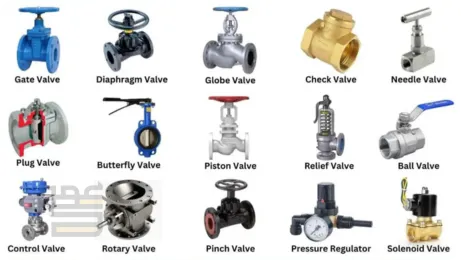
Everything about oil and gas valve types
Valve Fundamentals: A Comprehensive Guide for the oil and gas valve types
Valves are essential components in the oil and gas industry, controlling the flow of fluids and gases within complex pipeline systems. Understanding valve fundamentals is crucial for engineers, technicians, and anyone involved in oil and gas operations. Common Valves Used in the Oil & Gas Industry play a vital role in ensuring safe and efficient operations.
- Valve Function: Primarily, valves regulate the flow of fluids or gases, allowing for precise control of pressure, temperature, and flow rate. They can be used to start, stop, or regulate fluid flow.
- Key Components: Common valve components include the body, bonnet, stem, seat, and disc. The body houses the internal parts, while the bonnet seals the top. The stem connects to the actuator, and the seat and disc work together to control flow.
- Valve Types: There are numerous valve types, each designed for specific applications. Common types include ball valves, gate valves, globe valves, and butterfly valves.
- Operating Principles: Valves operate based on various mechanisms, such as quarter-turn, multi-turn, and sliding gate. The choice of operating principle depends on the required performance characteristics.
- Materials: The materials used for valve construction are critical to ensure durability and compatibility with the fluid being handled. Common materials include carbon steel, stainless steel, and alloys.
By understanding these fundamental concepts, individuals can make informed decisions about valve selection, installation, and maintenance in oil and gas applications. A wide variety of oil and gas valve types exist, each tailored for specific applications and pressures, ensuring safe and efficient operations. Siemens in Dubai offers advanced solutions tailored to enhance the efficiency and safety of valve systems.
The Anatomy of a oil and gas valve types
Understanding the internal components and materials of a valve is essential for comprehending its function and selecting the right valve for a specific application. A typical valve consists of several key parts:
- Body: The main housing of the valve, typically made from materials such as cast iron, stainless steel, or bronze. The choice of material depends on factors like the fluid being handled, pressure, temperature, and corrosion resistance.
- Disc or gate: The moving part that controls the flow of fluid. It can be made from various materials including stainless steel, brass, or specialized alloys.
- Stem: Connects the actuator (handle or motor) to the disc, allowing for the opening and closing of the valve.
- Seat: The stationary surface against which the disc seals, preventing leakage. Materials for seats include soft metals like Teflon or harder materials like stainless steel.
- Packing: A compressible material that seals the area around the stem to prevent leakage. Common packing materials include graphite, PTFE, and asbestos-free materials.
- Actuator: The mechanism used to open and close the valve. Actuators can be manual (handwheel), electric, pneumatic, or hydraulic.
- Valve materials are carefully selected to withstand the harsh conditions often encountered in the oil and gas industry. For example, Cummins in Saudi Arabia leverages high-quality materials in valves to address the unique environmental and operational challenges of the region.
Key factors influencing material selection include:
- Corrosion resistance: For handling corrosive fluids.
- Temperature rating: To withstand high or low temperatures.
- Pressure rating: To handle high-pressure applications.
- Wear resistance: For applications involving abrasive fluids or frequent operation.
Considering the diverse operational needs, various “oil and gas valve types” are employed, each designed for specific functions and conditions.

oil and gas valve types applications and characteristics
Valves serve as the gatekeepers of fluid flow in various industries, particularly in oil and gas operations. Understanding the different oil and gas valve types is crucial, as each is designed with specific applications and characteristics in mind. Let’s explore some of the most common types.
- Ball valves: Renowned for their quarter-turn operation, ball valves offer full flow when open. They are ideal for on-off applications and are often used in pipelines due to their streamlined design.
- Gate valves: Designed primarily for on-off service, gate valves provide a straight flow path when fully open. They are well-suited for large-diameter pipelines and can handle high pressures.
- Globe valves: Characterized by their throttling capabilities, globe valves allow for precise flow control. They are commonly used in applications requiring frequent adjustments.
- Butterfly valves: Offering compact design and quick operation, butterfly valves are suitable for large-diameter pipelines. They are often used in conjunction with actuators for automated control.
- Check valves: Preventing backflow, check valves ensure unidirectional fluid flow. They are essential in pump systems and other applications where backflow can cause damage.
- Diaphragm valves: Featuring a flexible diaphragm, diaphragm valves are ideal for handling corrosive or abrasive fluids. They offer excellent sealing capabilities.
- Plug valves: Used for multi-port applications, plug valves provide tight shutoff. They are often used in metering and sampling systems.
- Safety relief valves: Designed to protect equipment from overpressure, safety relief valves automatically open to release excess pressure.
Key factors to consider when selecting a valve include:
- Fluid properties: Corrosiveness, viscosity, and temperature.
- Operating conditions: Pressure, temperature, and flow rate.
- Cycle life: Frequency of operation.
- Material compatibility: Ensuring the valve material is compatible with the fluid.
- Maintenance requirements: Ease of maintenance and repair.
In this context, Yanmar in UAE is a prime example of a company that effectively addresses these considerations by offering advanced solutions tailored to diverse operational needs.
Valve Selection and Sizing: Key Considerations for Oil and Gas Operations
Choosing the right valve for an oil and gas application is critical for ensuring optimal system performance, safety, and reliability. Numerous factors influence valve selection, each contributing to the overall efficiency of the operation.
Key considerations for valve selection include:
- Fluid Properties: The nature of the fluid, including its temperature, pressure, corrosiveness, and viscosity, significantly impacts valve material and design. For example, valves handling highly corrosive fluids require materials like stainless steel or specialized alloys.
- Operating Conditions: Factors such as operating temperature and pressure ranges must align with the valve’s capabilities. Extreme conditions may necessitate valves with special coatings or reinforced construction.
- Flow Rate: The required flow rate determines the valve’s size and flow coefficient (Cv). An incorrectly sized valve can lead to excessive pressure drop or inadequate flow.
- Cycle Life: The frequency of valve operation influences the choice of actuator and valve material. Valves subject to frequent cycling may require more robust construction.
- Maintenance Requirements: Consider the ease of maintenance and accessibility of the valve for inspection and repair.
- Safety Standards: Adherence to industry-specific safety standards and regulations is paramount. Valves must be certified for the intended application and meet safety requirements. For instance, ABB in Saudi Arabia provides advanced solutions for oil and gas applications, ensuring valves meet the stringent safety and operational standards of the region.
- Valve sizing involves determining the appropriate valve size based on the desired flow rate and pressure drop. Factors such as pipe size, fluid density, and valve type influence sizing calculations.
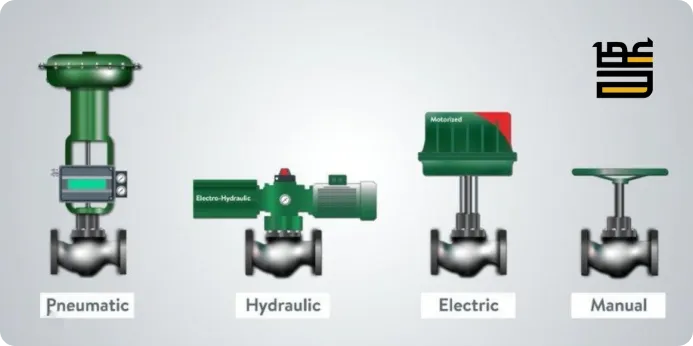
Valve Actuation: Manual, Electric, Pneumatic, and Hydraulic Options
The method of operating a valve, or valve actuation, significantly impacts its application and overall system efficiency. Traditionally, valves were operated manually, but advancements in technology have introduced a variety of automated valves. Let’s explore the common types of valve actuation:
- Manual Actuation: This involves physically turning a handwheel or lever to open or close the valve. While simple and cost-effective, manual operation is often unsuitable for remote or hazardous environments.
- Electric Actuation: Electric actuators use electric motors to provide the necessary torque to operate the valve. They offer precise control, remote operation, and can be integrated into automation systems.
- Pneumatic Actuation: Compressed air powers pneumatic actuators, making them suitable for applications requiring fail-safe operation. They are often used in hazardous environments due to their intrinsic safety features.
- Hydraulic Actuation: Hydraulic actuators utilize hydraulic fluid to generate force. They are ideal for high-torque applications or where precise positioning is required.
Key factors to consider when selecting a valve actuator include:
- Operating environment: Factors such as temperature, pressure, and corrosive conditions.
- Level of automation: Whether the valve needs to be controlled manually, remotely, or as part of an automated system.
- Speed of operation: The required time for the valve to open or close.
- Torque requirements: The amount of force needed to operate the valve.
- Safety requirements: The need for fail-safe or explosion-proof features.


