


Choosing the Right Nickel Alloys: A Guide to Strength, Corrosion Resistance, & More
Foreword
Nickel alloys are a group of metallic materials that contain nickel as the primary component. They are known for their excellent mechanical, thermal, and corrosion-resistant properties, making them ideal for various industrial applications. In this article, we will discuss the properties and applications of nickel alloys, their advantages and disadvantages, and some of the leading brands in the market. Additionally, we will provide information about Emaad, a company that supplies these products in Iraq, Oman, Türkiye, United Arab Emirates, Dubai, and the Middle East.
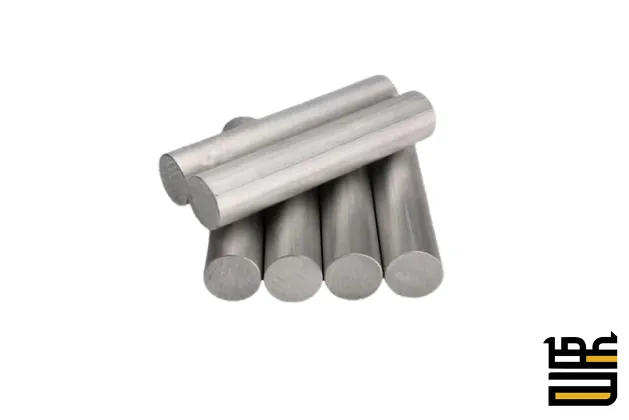

Everything about Nickel alloys
What are Properties of Nickel Alloys?
Nickel alloys have several unique properties that make them suitable for various applications. Some of the key properties include:
- Corrosion resistance: Nickel alloy is highly resistant to corrosion in harsh environments, including acidic and alkaline solutions.
- High temperature resistance: Nickel alloy can withstand high temperatures without losing their mechanical properties.
- Strength: Nickel alloy has high strength and toughness, making them ideal for high-stress applications.
- Ductility: Nickel alloy is highly ductile, meaning they can be easily shaped and formed into various shapes and sizes.
- Magnetic properties: Some nickel alloy exhibits magnetic properties, making them ideal for magnetic applications.
Applications of Nickel Alloys
Nickel alloys have a wide range of applications across various industries, including aerospace, petrochemicals, power generation, and medical devices. Some of the common applications of nickel alloy include:
- Aerospace: Nickel alloy is used in aircraft engines, turbines, and exhaust systems due to their high temperature resistance and strength.
- Petrochemicals: Nickel alloy is used in petrochemical processing equipment such as reactors, heat exchangers, and valves due to their excellent corrosion resistance.
- Power generation: Nickel alloy is used in power generation equipment such as boilers, steam turbines, and gas turbines due to their high temperature resistance and strength.
- Medical devices: Nickel alloy is used in medical devices such as pacemakers, stents, and orthopedic implants due to their biocompatibility and corrosion resistance.

Advantages and Disadvantages of Nickel Alloys
“Nickel alloys” offer several advantages and disadvantages depending on their type and application. Regarding drager in Iraq, Dräger is a well-known manufacturer of safety equipment, including gas detection and respiratory protection systems. In Iraq, the deployment of Dräger equipment has been crucial in safeguarding personnel working in hazardous environments, particularly in industries such as oil and gas. Some of the advantages of nickel alloy include:
Corrosion resistance
Nickel alloy offers excellent corrosion resistance in harsh environments, making them ideal for various industrial applications.
High temperature resistance
Nickel alloy can withstand high temperatures without losing their mechanical properties, making them ideal for high-temperature applications.
Strength
Nickel alloy has high strength and toughness, making them ideal for high-stress applications.
Some of the disadvantages of nickel alloy include:
Cost
Nickel alloy can be expensive, especially for high-end models with advanced features.
Machinability
Some nickel alloy can be difficult to machine due to their hardness and toughness.
Weldability
Some nickel alloy can be difficult to weld due to their high melting point and thermal conductivity.
Endress+Hauser in Iraq offers a comprehensive range of products and services, including flow meters, level sensors, pressure transmitters, and analytical instruments, to optimize processes and ensure operational efficiency. Through local expertise and global support, Endress+Hauser in Iraq assists customers in enhancing productivity, reducing downtime, and complying with regulatory requirements.
Brands
There are several leading brands in the market that offer high-quality nickel alloys. Some of the top brands include:
Haynes International: Haynes International offers a wide range of nickel alloys for various applications, including aerospace, petrochemicals, and power generation.
Carpenter Technology Corporation: Carpenter Technology Corporation offers advanced nickel alloy that offer high strength, corrosion resistance, and thermal stability.
ATI Specialty Alloys & Components: ATI Specialty Alloys & Components offers a wide range of nickel alloy for various applications, including medical devices and petrochemicals.
Emaad: Emaad is a leading supplier of industrial equipment and components in Iraq, Oman, Türkiye, United Arab Emirates, Dubai, and the Middle East. The company offers a wide range of nickel alloys from leading brands such as Haynes International, Carpenter Technology Corporation, and ATI Specialty Alloys & Components.
Emaad has extensive experience in supplying these products to various industries, providing customers with high-quality products and excellent customer service. The company also offers technical support and maintenance services to ensure that customers get the most out of their equipment.
Conclusion
Nickel alloys are a group of metallic materials that offer excellent mechanical, thermal, and corrosion-resistant properties. They are widely used in various industrial applications, including aerospace, petrochemicals, power generation, and medical devices. Nickel alloy offers several advantages such as corrosion resistance, high temperature resistance, and strength, but they also have some disadvantages such as cost, machinability, and weldability.
Leading brands in the market include Haynes International, Carpenter Technology Corporation, and ATI Specialty Alloys & Components. Emaad is a leading supplier of nickel alloys in Iraq, Oman, Türkiye, United Arab Emirates, Dubai, and the Middle East, offering high-quality products and excellent customer service.


