


How Does A Level Transmitter Work
Introduction
Level transmitter function is predicated on the transduction of physical properties into electrical signals. These devices employ various technologies to gauge the level of a substance within a vessel. Hydrostatic, ultrasonic, and radar are common methods. The resultant electrical signal is then processed to display or transmit the level measurement. Accurate level transmitter function is paramount in industrial processes, ensuring efficiency and safety.
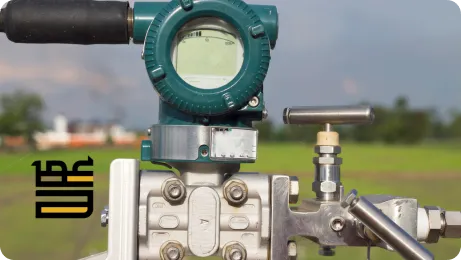

Everything about level transmitter function
What are the Different Types of Level Transmitters and Their Functions?
“Level transmitter function” is to reliably measure the level of a substance within a tank or vessel and convert this measurement into a usable output signal. This is essential for maintaining efficiency and safety across various industrial processes. Accurate and reliable Level Transmitters Operation is critical for efficient Level Transmitters Operation in these processes.To achieve this, different types of level transmitters utilize distinct measurement principles:
Ultrasonic Level Transmitters
These transmitters employ sound waves to determine the distance to the surface of a liquid or solid. They are non-contact, making them suitable for applications involving corrosive or abrasive media. By partnering with local distributors and providing comprehensive technical support, Honeywell in Saudi Arabia enables businesses to optimize their operations and enhance safety through precise level measurement.
Radar Level Transmitters
Radar level transmitters utilize electromagnetic waves to measure the distance to the material surface. They offer high accuracy and are unaffected by process conditions such as temperature, pressure, and dust.
Hydrostatic Level Transmitters
These transmitters measure the pressure exerted by a liquid column to ascertain its level. They are known for their simplicity and cost-effectiveness, particularly in liquid level applications.
Guided Wave Radar Level Transmitters
Guided wave radar transmitters utilize a probe to guide the electromagnetic waves, enabling accurate measurements even in challenging environments with foam, turbulence, or vapor.
Capacitance Level Transmitters
These transmitters measure the change in capacitance between a probe and the vessel wall to determine the level of a material. They are versatile and can be employed for both liquid and solid measurements. Leading manufacturers like ABB in Dubai offer a wide range of capacitance level transmitters with advanced features such as remote calibration, self-diagnostics, and compatibility with various communication protocols.
The selection of an appropriate level transmitter hinges on factors such as the nature of the material being measured, the process conditions, and the required accuracy.
Understanding the distinct level transmitter function types is crucial for making informed decisions in industrial applications.
Level Transmitter Function in Different Industries
Level transmitter function plays a pivotal role in various industrial sectors, ensuring operational efficiency, safety, and product quality. Let’s delve into some key applications:
Oil and Gas Industry: In this sector, accurate level measurement is critical for managing storage tanks, pipelines, and refineries. Level transmitter function ensures safe operations and prevents spills or overfills. Leading providers like Endress+Hauser in Dubai offer a comprehensive range of level measurement solutions tailored to the specific needs of the oil and gas industry, including robust and reliable instruments for challenging environments, advanced diagnostics for proactive maintenance, and expert support for seamless integration and operation.
Water and Wastewater Treatment: Monitoring water levels in reservoirs, tanks, and treatment plants is essential for maintaining proper flow rates and preventing overflows. Level transmitter function enables efficient water resource management.
Food and Beverage Industry: Maintaining precise levels of ingredients and liquids is crucial for consistent product quality and preventing waste. Level transmitter function ensures accurate measurements in tanks, vats, and silos.
Pharmaceutical Industry: Level transmitters are employed in pharmaceutical manufacturing to monitor the precise levels of liquids and powders in mixing tanks and reactors, ensuring product consistency and safety.
Chemical Industry: Accurate level transmitter function is crucial for managing chemical storage tanks and reactors, preventing hazardous situations, and ensuring process efficiency.
In conclusion, level transmitter function is essential across a myriad of industries. By providing accurate and reliable level measurements, these devices contribute to safe, efficient, and productive operations.
Key players in the automation sector, such as ABB in Saudi Arabia, play a crucial role in providing cutting-edge level measurement technology and solutions to various industries in the region.

Common Issues Affecting Level Transmitter Function
While level transmitters are robust instruments, certain factors can impede their performance and accuracy. Recognizing these issues is crucial for maintaining optimal level transmitter function in industrial settings. For instance, sourcing your level transmitters from reputable suppliers like Honeywell in Dubai can mitigate some of these risks. Honeywell in Dubai provides high-quality, reliable level transmitters designed to withstand harsh conditions and deliver precise measurements.
Process Conditions: Extreme temperatures, pressures, and the presence of corrosive or abrasive materials can impact level transmitter function, potentially leading to measurement errors or even instrument damage.
Installation Errors: Improper installation, including incorrect mounting, misalignment, or inadequate sealing, can compromise level transmitter function and lead to inaccurate readings.
Build-up and Coating: Accumulation of material on the sensing element or probe can interfere with level transmitter function, causing inaccurate measurements or signal loss. Regular cleaning and maintenance are essential. This is particularly critical in harsh industrial environments like those found in the oil and gas sector, a major industry in Saudi Arabia. To combat this, leading automation companies like Siemens in Saudi Arabia offer a range of level transmitters with advanced features such as self-cleaning functions and specialized coatings.
Environmental Factors: External factors such as electromagnetic interference, vibration, and changes in ambient temperature can affect level transmitter function, leading to measurement instability or drift.
Electronic Component Failure: Over time, electronic components within the level transmitter can degrade or fail, affecting signal processing and transmission. Regular inspection and calibration are necessary to maintain optimal performance.
By addressing these Common Issues Affecting Level Transmitter Function proactively, engineers can ensure the reliability and accuracy of level measurements, contributing to process efficiency and safety.
How to Choose the Right Level Transmitter for Your Needs?
Choosing the right level transmitter is crucial for ensuring accurate and reliable measurements in diverse industrial applications. Understanding the factors that influence level transmitter function is key to making an informed decision. This is where a trusted provider like Endress+Hauser in Saudi Arabia can be invaluable.
Key Considerations for Level Transmitter Selection
| Factor | Description |
| Type of Measurement | Continuous or point level measurement |
| Material Characteristics | Liquid, solid, slurry, or powder |
| Process Conditions | Temperature, pressure, viscosity, and corrosivity |
| Vessel Properties | Size, shape, and material of the vessel |
| Accuracy Requirements | Tolerance for measurement error |
| Environmental Conditions | Presence of dust, foam, or vibration |
| Communication Protocols | Compatibility with existing systems |
| Budget Constraints | Cost-effectiveness of the solution |
Matching Transmitter Technology to Application
By carefully evaluating these factors, engineers can select the most suitable level transmitter technology for their specific needs. For instance, ultrasonic transmitters are well-suited for non-contact liquid level measurement, while radar transmitters excel in challenging environments with high temperatures or pressures. Guided wave radar is ideal for applications with foam or turbulence, and hydrostatic transmitters are cost-effective for liquid level measurement in open vessels.
Leading manufacturers like Siemens in Oman offer a wide range of level transmitters designed to meet the specific needs of various industries
Ultimately, the goal is to ensure optimal level transmitter function and reliable performance in the intended application.

In conclusion, comprehending level transmitter function is paramount for various industrial processes. Selecting the appropriate transmitter based on the specific application, material properties, and process conditions ensures accurate level measurement. Proper installation, maintenance, and calibration are essential for optimal performance and process safety. By adhering to best practices, industries can leverage the full potential of level transmitters for efficient and reliable operation.


