


Why Choose Honeywell Gas Detectors for Your Safety Needs?
Introduction
Many gases are odorless and colorless, making them undetectable by our senses. Exposure to these gases can lead to serious health problems, including respiratory failure, explosions, and even death. Gas detectors act as early warning systems, alerting you to the presence of dangerous gases before it’s too late. Honeywell has a long and distinguished history in the field of gas detection. For decades, they’ve been at the forefront of developing innovative and reliable gas detectors that keep people safe in a wide range of environments.
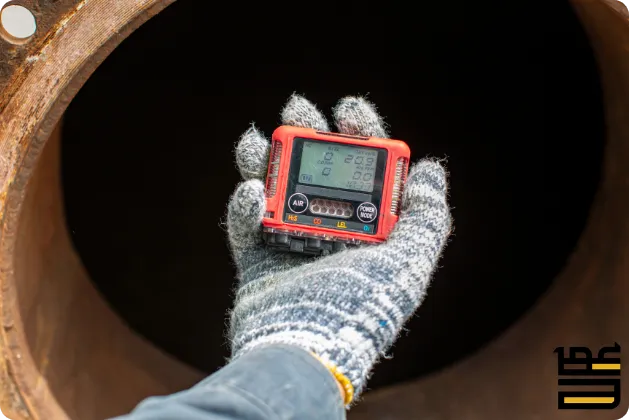

Everything about Honeywell gas detectors
Types of Honeywell Gas Detectors
Honeywell offers a wide variety of gas detectors to suit different needs. Here are two main categories:
Portable Gas Detectors: These are designed to be carried by workers and can detect a variety of gases. They are commonly used in industrial settings, as well as by firefighters and first responders.
Fixed Gas Detectors: These are permanently mounted in a location and are used to continuously monitor the atmosphere for the presence of gas. They are commonly used in industrial facilities, commercial buildings, and other locations where there is a risk of gas leaks.
Honeywell gas detectors can be further classified by the type of gas they are designed to detect. Some of the most common types of Honeywell gas detectors include:
- Combustible gas detectors: These detectors are designed to detect the presence of flammable gases, such as methane, propane, and hydrogen.
- Toxic gas detectors: These detectors are designed to detect the presence of toxic gases, such as carbon monoxide, hydrogen sulfide, and chlorine.
- Oxygen detectors: These detectors are designed to detect the presence or absence of oxygen in the atmosphere. Oxygen deficiency can be a serious safety hazard.
Applications of portable gas detectors
Portable gas detectors are vital tools used in various industries to ensure safety by detecting the presence of hazardous gases. These detectors are designed to be carried by personnel and can alarm when dangerous gas concentrations are encountered. Here are some of the common applications of portable Honeywell gas detectors:
- Fossil fuel industry: From extraction and processing to storage and transportation, the fossil fuel industry deals with various gases that can be harmful. Portable detectors ensure the safety of workers on oil rigs, refineries, and pipelines by identifying potential leaks of flammable gases like methane and natural gas or toxic gases like hydrogen sulfide.
- Healthcare institutions: Maintaining a sterile environment is crucial in hospitals and other healthcare settings. Portable gas detectors are used to monitor anesthetic gases like nitrous oxide (laughing gas) to prevent overexposure to medical personnel. Additionally, they can be used to check for leaks of flammable disinfectants or sterilants.
- Steel and iron furnaces: Steel production involves high temperatures and various gases like carbon monoxide. Portable detectors keep workers safe by monitoring CO levels and alerting them to dangerous concentrations.
- Water and wastewater treatment: Facilities that treat water and wastewater may encounter hazardous gases like methane from decaying organic matter or chlorine used for disinfection. Portable detectors help safeguard workers by ensuring these gases are within safe limits.
- Confined space entry: Before entering confined spaces like tanks, tunnels, or silos, workers need to ensure the air is breathable. Portable detectors check for oxygen deficiency and the presence of flammable or toxic gases that could pose a risk.
- Environmental monitoring: Portable gas detectors are used to monitor air quality for environmental purposes. They can detect pollutants like ozone or volatile organic compounds (VOCs) emitted from industrial facilities or during environmental disasters like gas leaks or oil spills.

How to choose the Right Honeywell Gas Detector?
Choosing the right “Honeywell gas detectors” involve understanding the type of gas you need to detect, the environment it will be in, and your budget. Here are some key factors to consider:
Type of Gas
- Identify the specific gas: Honeywell detectors target various gases, so pinpoint the gas you’re concerned about (natural gas, carbon monoxide, etc.).
Location and Environment
- Portable vs. Fixed: Consider if you need a detector for personal use (portable) or continuous monitoring in a specific location (fixed).
- Environmental Conditions: Think about temperature, humidity, and potential corrosive substances the detector might face. For example, some detectors are designed for harsh outdoor environments.
Additional Features
- Alerts: How will the detector warn you (alarm, light, etc.) and at what gas concentration levels.
- Ease of Use: Look for a detector with a clear display and easy-to-understand readings.
- Maintenance: Consider self-diagnostic features to reduce maintenance costs.
ABB in Dubai offers a wide range of products and solutions for various industries. The presence of ABB in Dubai underscores its commitment to the Middle Eastern market. ABB in Dubai provides services in automation, electrification, robotics, and digitalization. Companies in the region benefit from the advanced technologies provided by ABB in Dubai. The local offices of ABB in Dubai ensure prompt customer service and support.
What are The Benefits of Using Honeywell Gas Detectors?
Honeywell is a well-established company with a good reputation for safety equipment, and their gas detectors offer a number of benefits:
- Variety of Detectors: Honeywell offers a wide range of gas detectors, including portable and fixed detectors. This means you can find the right detector for your specific needs, whether you need to monitor a large industrial facility or a small home.
- Reliable Detection: Honeywell gas detectors are known for their accuracy and reliability. This is important because you need to be able to trust that your detector will warn you of a gas leak before it becomes a serious hazard.
- Advanced Features: Some Honeywell gas detectors offer advanced features, such as real-time data monitoring and alarm systems that can be connected to a central hub. This can help you to quickly identify and respond to a gas leak.
- Ease of Use: Honeywell gas detectors are designed to be easy to use, even for people who are not familiar with gas detection equipment. This is important because you need to be able to use your detector quickly and easily in an emergency.
Overall, Honeywell gas detectors are a good option for people who are looking for reliable and easy-to-use gas detection equipment.

Conclusion
Based on the search result, Honeywell gas detectors are recommended as part of a layered safety approach for flammable gas detection [1]. They seem to be particularly well-suited for industrial settings. Overall, Honeywell gas detectors seem like a reliable and well-regarded solution for gas leak detection. However, it’s important to consult with a professional to determine the specific needs of your situation and identify the most appropriate gas detector technology.


