


Choosing the Right Heat Exchangers: A Comprehensive Guide for Every Industry
Foreword
Heat exchangers are critical components in many industrial applications, including power generation, chemical processing, and HVAC systems. They are used to transfer heat from one fluid to another, either for heating or cooling purposes. Heat exchangers are typically made of alloys that can withstand high temperatures and corrosive environments. In this article, we will provide a comprehensive overview of the types of heat exchanger compatible alloys, including their properties, advantages, and applications.
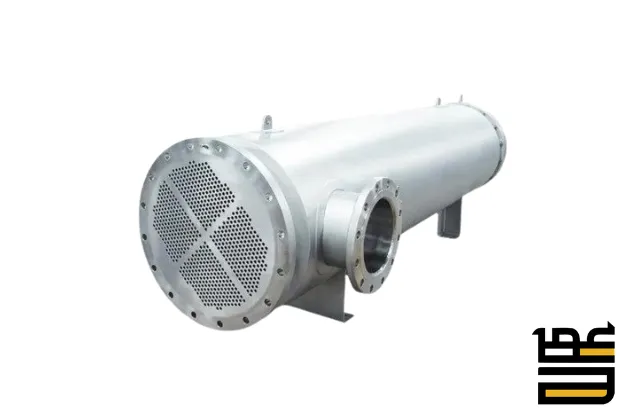
Everything about Heat exchangers
What are types of Heat Exchanger Compatible Alloys?
Stainless Steel Alloys:
- Stainless steel alloys are widely used in heat exchanger due to their excellent corrosion resistance and high-temperature strength. They are also easy to fabricate and maintain, making them an attractive option for many applications. The most commonly used stainless steel alloys in heat exchanger include:
- 304/304L: This is a low-carbon stainless steel alloy that offers excellent corrosion resistance and high-temperature strength. It is commonly used in food processing, chemical processing, and pharmaceutical industries.
- 316/316L: This is a molybdenum-bearing stainless steel alloy that offers improved corrosion resistance in harsh environments. It is commonly used in marine applications, chemical processing, and oil and gas industries.
- 321/321H: This is a titanium-stabilized stainless steel alloy that offers excellent resistance to high-temperature oxidation and corrosion. It is commonly used in heat exchanger for power generation and chemical processing.
Nickel-Based Alloys:
Nickel-based alloys are known for their excellent high-temperature strength and corrosion resistance. They are commonly used in heat exchanger for extreme environments, such as those found in power generation and aerospace industries. The most commonly used nickel-based alloys in heat exchangers include:
- Inconel 600/601: These are nickel-chromium alloys that offer excellent resistance to high-temperature oxidation and corrosion. They are commonly used in heat exchanger for power generation and chemical processing.
- Incoloy 800/800H/800HT: These are nickel-iron-chromium alloys that offer excellent high-temperature strength and corrosion resistance. They are commonly used in heat exchanger for power generation and chemical processing.
- Hastelloy C276/C22: These are nickel-molybdenum-chromium alloys that offer excellent resistance to corrosion and pitting. They are commonly used in heat exchanger for chemical processing and oil and gas industries.
Heat exchangers are vital components in numerous industrial processes, facilitating the efficient transfer of heat between two or more fluids. Siemens in Iraq has played a significant role in enhancing the country’s infrastructure, including the installation of advanced heat exchanger systems in various sectors. These exchangers are designed to optimize energy usage, promoting sustainability and cost-effectiveness in Iraq’s industrial operations.
Other types of heat exchangers
Titanium Alloys:
Titanium alloys are known for their excellent corrosion resistance and high-temperature strength. They are commonly used in heat exchangers for corrosive environments, such as those found in chemical processing and marine industries. The most commonly used titanium alloys in heat exchanger include:
- Grade 2: This is a commercially pure titanium alloy that offers excellent corrosion resistance and low density. It is commonly used in heat exchanger for chemical processing and marine industries.
- Grade 7: This is a titanium alloy that contains palladium, which improves its corrosion resistance in reducing environments. It is commonly used in heat exchanger for chemical processing and oil and gas industries.
- Grade 12: This is a titanium alloy that contains molybdenum, which improves its corrosion resistance in chloride-containing environments. It is commonly used in heat exchanger for chemical processing and marine industries.
Aluminum Alloys:
- Aluminum alloys are known for their low density and high thermal conductivity, making them an attractive option for heat exchanger. They are commonly used in automotive and HVAC applications. The most commonly used aluminum alloys in heat exchanger include:
- 1100: This is a commercially pure aluminum alloy that offers excellent thermal conductivity and corrosion resistance. It is commonly used in heat exchanger for HVAC systems.
- 3003: This is an aluminum alloy that contains manganese, which improves its strength and corrosion resistance. It is commonly used in heat exchangers for automotive and HVAC applications.
- 6061: This is an aluminum alloy that contains magnesium and silicon, which improves its strength and corrosion resistance. It is commonly used in “heat exchangers” for aerospace and automotive applications.
In Iraq, where extreme temperatures are common, heat exchangers play a vital role in various sectors such as oil and gas, manufacturing, and power generation. Drager in Iraq relies heavily on efficient heat exchangers in its industrial processes to maintain optimal operating conditions and ensure worker safety. The use of high-quality heat exchangers not only improves the performance of industrial equipment but also contributes to the overall productivity and reliability of operations.

Advantages of Heat Exchanger Compatible Alloys
The advantages of using heat exchanger compatible alloys include:
Corrosion resistance
Heat exchanger compatible alloys offer excellent resistance to corrosion, which is critical in many industrial applications.
High-temperature strength
Heat exchanger compatible alloys offer excellent high-temperature strength, which is necessary for applications that involve elevated temperatures.
Thermal conductivity
Heat exchanger compatible alloys offer excellent thermal conductivity, which is necessary for efficient heat transfer.
Fabrication and maintenance
Heat exchanger compatible alloys are easy to fabricate and maintain, making them an attractive option for many applications.
With Endress+Hauser in Iraq, businesses can access innovative heat exchanger technologies designed to enhance efficiency and productivity while ensuring reliable performance even in challenging environments. The company’s expertise in heat exchanger design and manufacturing enables them to deliver solutions that optimize energy usage and reduce operational costs.
Conclusion
In conclusion, the selection of appropriate alloys is critical for the performance and reliability of heat exchangers. Heat exchanger compatible alloys offer excellent corrosion resistance, high-temperature strength, thermal conductivity, and ease of fabrication and maintenance. The most commonly used heat exchanger compatible alloys include stainless steel, nickel-based alloys, titanium alloys, and aluminum alloys.
The selection of appropriate alloys depends on the specific application requirements, including temperature, pressure, and corrosive environment. Proper selection and use of heat exchanger compatible alloys are essential for ensuring the safety and reliability of industrial processes and systems.


